 Parvana Isgandarova
Make the invisible visible
People should always understand what's happening and why. Good design shows how things work, so nobody has to guess.
Senior product designer with 7+ years in enterprise UX, B2B SaaS, fintech research and innovation, now focused on the space where human intuition and AI interact. A computer engineer by education, I design with endless curiosity about how people experience, interact and decide, guided by research, behavioral science, systems thinking and tons of observation.
7+ years of practice across research, strategy, and interaction design with the technical depth to work closely with engineering from day one.











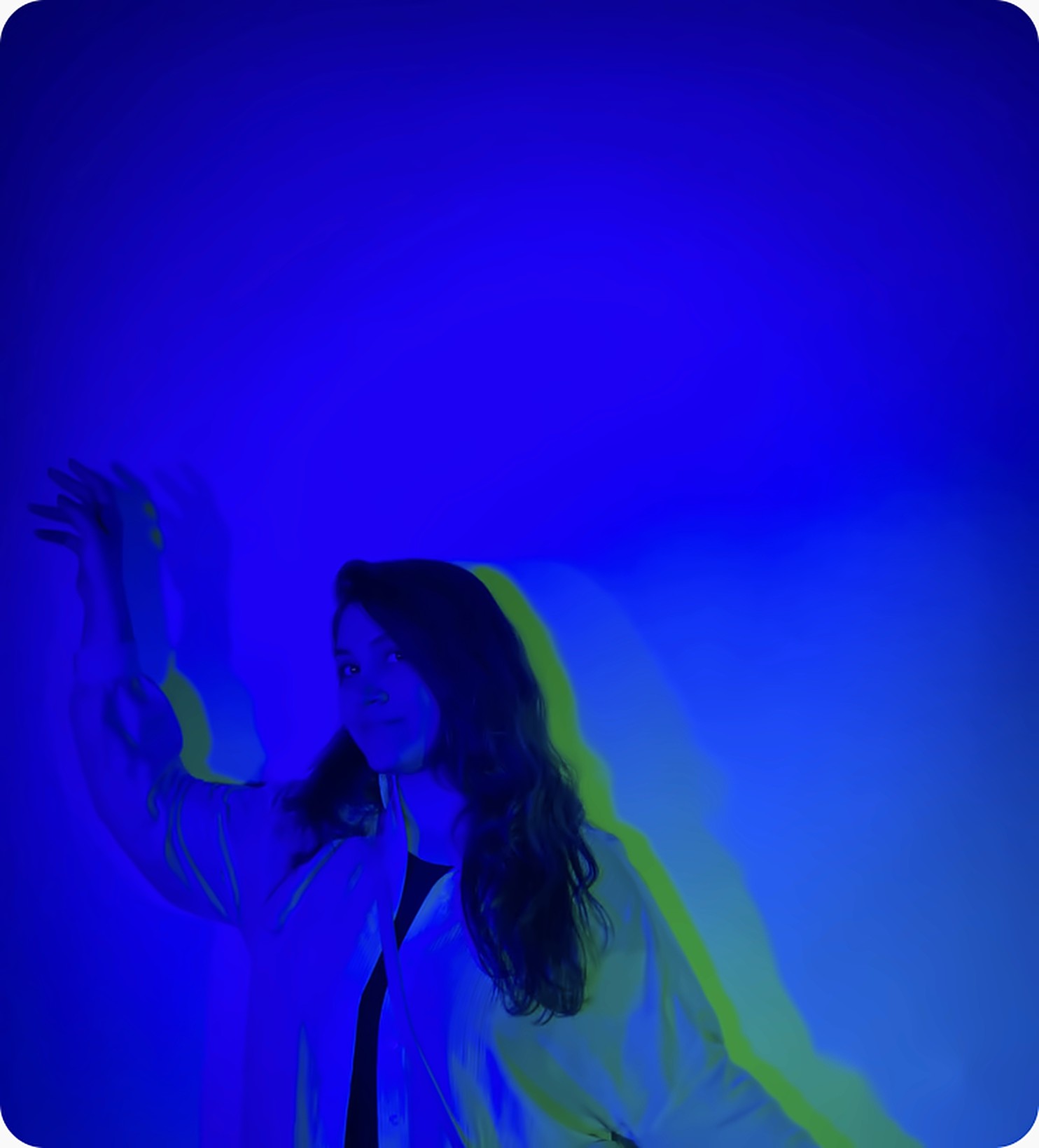
Design is where my logical and creative sides finally get along. Growing up, I loved both math and art, and I never chose between them. I studied Computer Engineering, tried graphic design, and found my place in UX, where problem-solving, creativity and psychology meet.
I leave things better than I found them. It's a value I live by, with places, spaces and the work itself. I appreciate what already exists, but my restless mind keeps seeing how it could be more useful, more beautiful, more simple. I love taking messy, complex problems and turning them into something clear, calm and well made.
Every product becomes part of someone's day. I care about how the things I design, build and lead make people feel, and whether they make that day a little better. I want every journey to feel easy and supported.
People should always understand what's happening and why. Good design shows how things work, so nobody has to guess.
Products should support people's decisions, not make them. Every step should be easy to question, change or undo.
Trust is the foundation every product stands on. People come back to what feels honest and dependable, so every interaction should keep its promise.
Design for the people who are easy to miss. Making room for different abilities, devices and ways of working makes a product better for everyone.
Systems can be complex. What people see should feel simple.
I loved working with Parvana. Her work-ethics are exceptional - she is really hardworking and precise all the time. If there is a deadline, she will certainly deliver a high-quality, well-thought-out solution. She is also great at collaboration, ideation, communication, and problem-solving. Everyone who is her teammate is really lucky!

Parvana is a great designer and brings a level of technical detail to her work that is rare for design. She thinks through holistic journeys and is great at ensuring collaborative design when needed.

We have worked on the "Bill Splitter" project with Parvana and I want to highlight her strict discipline with deadlines and being a good team player. Her approach to product design is appreciable, always repeats the cycle of "Research->Try->Test->Improve".

I start by understanding the problem and the people behind it, through research, data and conversations with the team. Then I map the flows, test rough ideas early and refine them into high-fidelity designs with engineering in the loop. After launch, I look at how people actually use it and keep improving.
Closely, and from day one. My computer engineering background helps me speak the same language as engineers, spot constraints early and design things that can actually be built. With product managers, I align on goals, trade-offs and what success looks like before I open Figma.
I turn it into questions. I clarify the goal, who it's for and how we'll know it worked, then use quick research and rough prototypes to make the unknowns visible. Messy, complex problems are where I do my best work.
Yes. On ADPList I mentor early-career designers: helping them figure out what they want from their careers, what to learn for a fast-changing industry, and how to shape their portfolios. Many are just starting out, so encouragement matters as much as advice. At work, I mentor interns and share what I know through design reviews and knowledge-sharing sessions.
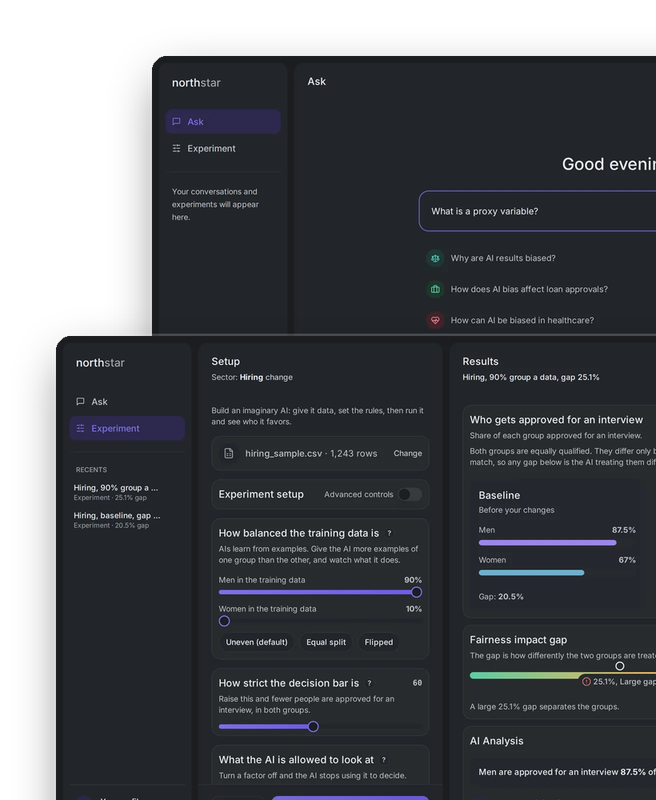
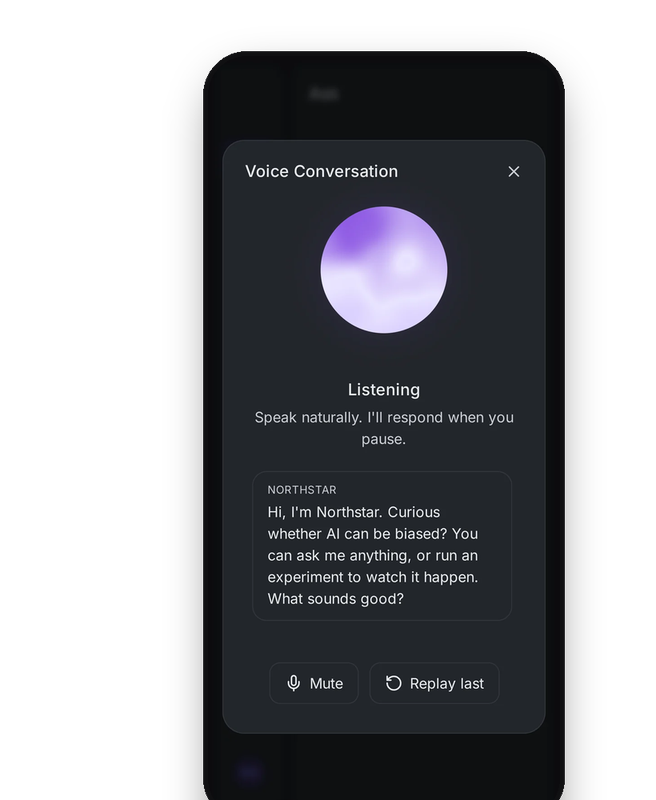
I learn about designing AI with AI. My focus right now is multimodal AI UX and conversation design, and I'm deeply curious about how new ways of interacting will change people's mental models, habits and behaviours. I use AI tools actively in my own work and study them as a designer: what works, what could be better and which features add nothing. I'm also exploring model-forward design and connecting tools through MCP to build a small team of AI assistants. They help me move faster, but the decisions stay mine.
Every good decision starts there. I plan and run research myself, from interviews and usability tests to fieldwork, and turn what I learn directly into design decisions instead of reports that sit in a folder.